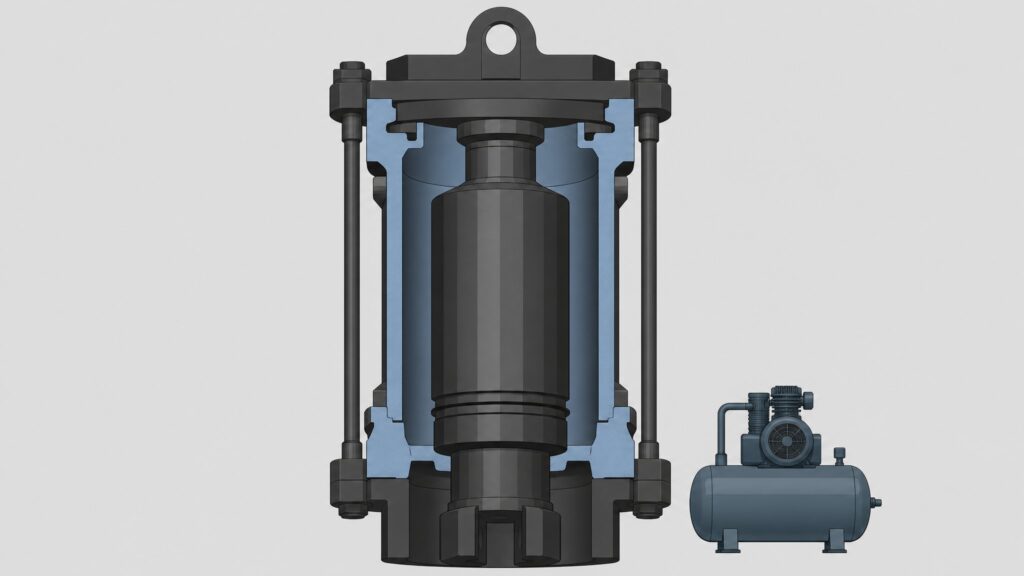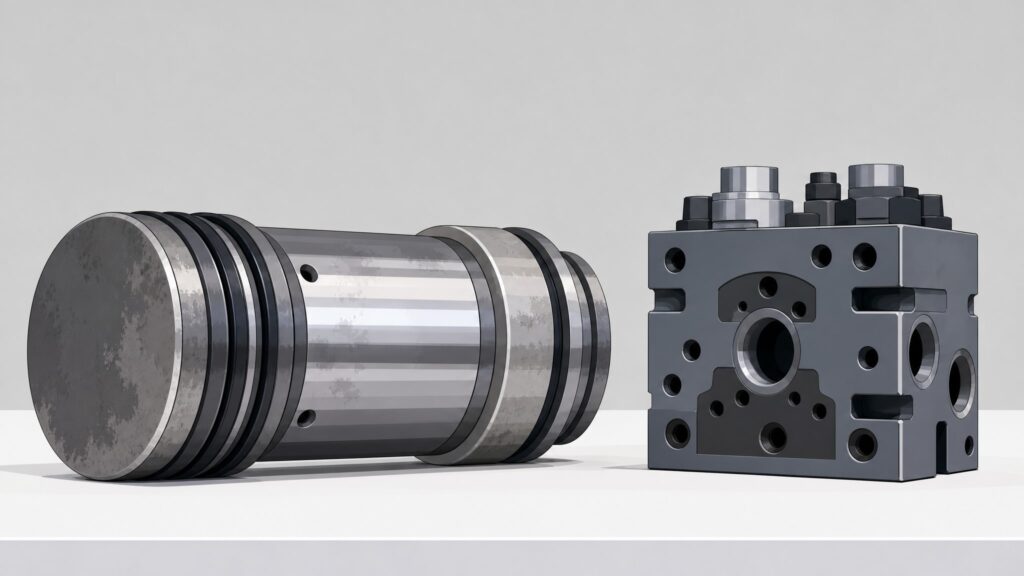
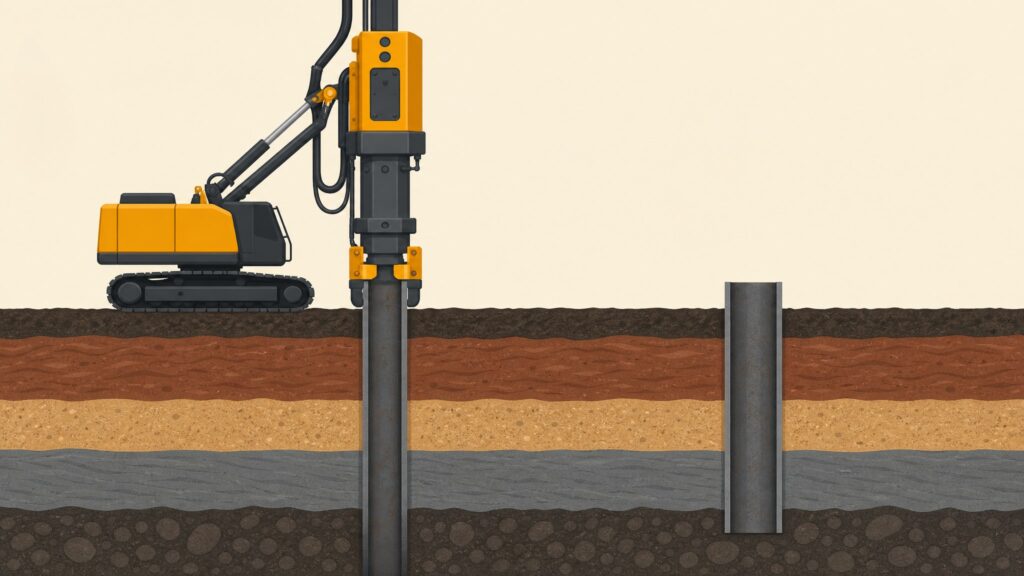
Selecting the right pile extractor machine for sale means matching equipment specifications to actual site conditions, not relying on generic catalog descriptions. Contractors and procurement managers need to verify that a unit’s mechanical capacity aligns with geotechnical data, soil resistance profiles, and project timelines before committing capital. GAYK Turkey manufactures pneumatic pile extractors for infrastructure and renewable energy piling applications, built for buyers who need verified performance over marketing claims.
This guide covers the technical parameters and operational constraints that matter for a purchase decision. It doesn’t cover rental agreements or financing, since those are separate commercial questions.
Defining Extraction Capacity Requirements
Undersizing extraction equipment is the most common cause of project delays and mechanical failure in piling operations. Peak extraction force has to be calculated from site-specific geotechnical reports and pile embedment depths. Manufacturer ratings assume ideal conditions that rarely exist in the field. Soil friction coefficients vary between clay, sand, and composite strata, so a machine rated for standard conditions can stall when it hits unexpected ground resistance or corroded steel.
Extraction force requirements scale non-linearly with pile diameter and surface area contact. A 100mm post embedded two meters deep generates much less resistance than a 150mm post at the same depth, yet many buyers select equipment on maximum diameter ratings alone, without accounting for friction variance. Geotechnical bore logs supply the shear strength data needed to model realistic pull forces, and that modeling should happen before any equipment inquiry. Rule-of-thumb estimates from previous sites ignore local soil mechanics and risk putting machinery on site that can’t finish the work within acceptable cycle times.
Peak static load capacity matters more than nominal rating plates suggest. Dynamic shock loads during breakaway moments can exceed steady-state pull forces by a wide margin, so safety factors need to account for transient spikes, not just continuous-operation averages. Equipment run consistently near its maximum rated capacity wears clamping mechanisms and hydraulic seals faster, cutting service life well below projected intervals.
Evaluating Pneumatic Pile Extractor Specifications
Pneumatic systems need precise matching between compressor output and tool consumption to hold consistent blow energy through the extraction cycle. Buyers should check that compressor CFM output matches extractor demand; insufficient air volume causes pressure drops that reduce impact force and stretch out removal times. Pneumatic extractors typically need 90 to 150 PSI operating pressure depending on model capacity and pile size, and sustaining that pressure at the tool requires adequate reservoir buffering and line diameter to keep friction losses down.
Blow frequency and impact energy work against each other in pneumatic pile extractor design. Higher frequency suits smaller posts in softer soils, where rapid cycles wear down friction through repetition. Lower frequency with greater per-blow energy handles larger diameters or denser matrices, where momentum transfer matters more than speed. Get the profile wrong and you waste either time or fuel: high-frequency units bog down in heavy clay, and low-frequency models burn cycles on light guardrail posts that need quick breaks rather than heavy impacts.
Weight-to-power ratio decides both portability and how much energy actually transfers to the pile. Lighter units allow single-operator deployment and cut fatigue on repetitive roadside work. Excessive weight reduction, though, often sacrifices the thermal mass needed to dissipate compression heat during sustained operation. Heavier extractors hold stable temperatures and deliver more consistent blow energy over long shifts, but they need mechanical lifting assistance and limit crew mobility on uneven terrain.
Air consumption rates dictate compressor sizing and fuel burn per extracted post. Undersized compressors cycle continuously to hold pressure, which increases maintenance intervals and fuel costs while delivering weaker tool performance. Oversized units waste capital and transport space without speeding up extraction once the tool hits its designed flow ceiling. Sizing these components as a system, rather than picking them independently, avoids mismatches that only show up after mobilization.
Compatibility with Guardrail Post Extraction Tasks
Guardrail post extraction needs adjustable clamps to handle corroded or deformed steel profiles, which are common in highway maintenance. Standard fixed-diameter jaws fail on rust-expanded sections or bent posts from prior impacts, which forces operators into improvised, unsafe rigging or abandoning material that could have been salvaged. Adjustable clamping handles profile variations from pristine new installations to decades-old W-beam supports with real section loss, and does it without damaging surrounding pavement or reusable hardware.
Vertical alignment tolerance affects both extraction success and operator safety. Posts installed at angles, whether from terrain-following or collision damage, create lateral loads that bind rigid clamp assemblies and can shear pins or twist the extractor body during a pull. Self-aligning jaw designs spread these off-axis forces evenly across the gripping surface, holding secure contact even when the post sits several degrees off plumb. That matters most on highway rehabilitation projects where original installation records are incomplete or wrong.
Salvage rate targets shape clamp selection as much as removal speed does. Aggressive tooth patterns grip hard but mar galvanized coatings and deform cross-sections, making posts unfit for reuse even when they’re structurally sound. Smooth-faced or padded jaws preserve surface condition for recycling or reinstallation, though they need higher clamping pressure to stop slippage under load. The choice comes down to whether the project wants maximum recovery value or the fastest possible clearance, since no single jaw configuration does both.
Pavement protection features separate dedicated guardrail post extractor machines from general-purpose pile pullers. Integrated base plates or roller guides spread reaction forces away from asphalt edges, preventing the spalling and cratering that trigger extra repair work. Without that interface, concentrated point loads from the extractor foot can damage road surfaces during high-force extractions.
Verifying Post Removal Machine Build Quality
Material grade and heat treatment tell you more about component lifespan under cyclic loading than external appearance ever will. Hardened steel clamping jaws resist the abrasion from rust and mill scale that wears down untreated surfaces fast, and through-hardened piston rods withstand the bending moments an off-center pull generates. Sealed bearings in rotating assemblies keep out moisture and grit that cause premature seizure in wet or dusty environments, which extends maintenance intervals and keeps operation smooth over the machine’s service life.
Reinforced weld points at stress concentration zones point to deliberate engineering for fatigue resistance, not just assembly convenience. Fillet welds at jaw pivots and handle attachments should show consistent penetration and proper profiling, avoiding the notch effects that start cracks under repeated shock loading. Visual inspection shows basic craftsmanship, but non-destructive testing documentation gives objective evidence of joint integrity for critical load paths. Manufacturers who publish test protocols and material certifications are showing confidence in their own quality control.
Corrosion protection matters a great deal for equipment stored outdoors between projects, or deployed near the coast. Hot-dip galvanizing or industrial epoxy coatings protect structural members from atmospheric attack, and stainless fasteners with zinc-plated internal components resist electrolytic degradation from dissimilar-metal contact. Unprotected carbon steel might be fine for dry inland work with controlled storage, but coastal highway jobs or tropical solar farm installations need real corrosion management, or the equipment deteriorates within months.
Field-serviceable design cuts downtime once wear parts need replacing. Modular subassemblies that bolt apart without specialized pressing tools allow onsite repairs with a standard mechanic’s kit. Press-fit or welded construction, by contrast, forces a full unit return to the factory. Accessible grease points and drain plugs make routine maintenance possible without disassembly, which keeps crews on the lubrication schedule that prevents catastrophic failures. Machines built for depot-level overhaul only add logistical costs that compound over a multi-year ownership period.
Assessing Spare Parts Availability and Support
Wear part lead times directly limit project scheduling and risk exposure. Seals, pistons, and clamp jaws wear down predictably in normal operation, so a reliable supplier keeps these items in stock to cut downtime during active projects. Waiting weeks for a small O-ring set while a crew sits idle costs far more than the part itself, which makes supplier inventory depth a more useful metric than unit price alone. Confirm current stock levels and shipping origins before ordering; advertised availability sometimes reflects reorder intentions rather than what’s actually in the warehouse.
Technical support responsiveness affects how fast problems get diagnosed when equipment behaves unexpectedly. Direct access to engineers who know the specific model beats generic customer service staffed by people without hands-on product knowledge. Language barriers and time zone differences compound delays for international buyers, so multilingual support and regional representation matter for keeping operations running across borders. GAYK Turkey serves contractors internationally with multilingual resources covering European, Middle Eastern, Asian, and Latin American markets.
Documentation completeness affects long-term ownership costs and resale value. Comprehensive parts manuals with exploded views and part numbers make reordering accurate, without guesswork or measurement errors, and service procedures with torque specifications and adjustment sequences prevent improper reassembly that causes secondary failures. Digital documentation accessible via QR codes or online portals keeps information available even when paper copies are lost or damaged in the field. Incomplete or ambiguous manuals leave a project dependent on tribal knowledge that disappears when experienced technicians leave.
For detailed guidance on obtaining maintenance components, review sourcing replacement components to understand inventory practices and ordering protocols. Establishing relationships with suppliers before equipment arrives onsite keeps support channels working when urgent needs come up mid-project.
Understanding Pricing Factors for Pile Puller Equipment
Manufacturing origin and material specifications drive acquisition cost variations that reflect real performance differences, not arbitrary brand premiums. Units built in regions with lower labor costs can look attractive on initial price, but alloy substitutions or simplified heat treatments can shorten service life enough to erase the upfront savings through earlier replacement. Material certificates and third-party testing reports show whether a lower cost comes from manufacturing efficiency or cut corners, and make apples-to-apples comparisons across suppliers possible.
Included accessories and configuration options affect total package value well beyond the base machine price. Compressor packages, spare jaw sets, transport cases, and specialized adapters add functionality that would cost considerably more sourced separately later. Stripped-down configurations at aggressive price points, on the other hand, often skip essential items like safety chains or pressure regulators, and those costs show up at first deployment. Request itemized quotations showing every included component to avoid surprise charges or gaps on delivery.
Long-term operational expenses frequently dwarf the initial capital outlay over the life of the equipment. Energy efficiency differences between models add up to real fuel or electricity savings across thousands of extraction cycles, and maintenance-friendly designs cut the labor hours spent on routine servicing and repairs. Durable construction extends rebuild intervals and preserves residual value, which lowers net ownership costs despite a higher purchase price. Reviewing cost considerations for pneumatic equipment helps put a quote in context against the broader budget.
Currency fluctuations and import duties add variability to international transactions that domestic purchases don’t face. Exchange rate hedging, landed cost calculations, and getting the customs classification right all affect the final spend regardless of the negotiated unit price. Suppliers experienced with export documentation move shipments through clearance faster and avoid demurrage charges from paperwork errors. Budget contingencies should account for these variables when weighing cross-border sourcing against local alternatives.
Ordering Process and Technical Validation
Direct engagement with the manufacturer ensures the selected model matches actual field conditions rather than assumed parameters. Submitting project specifications, including soil reports, pile dimensions, extraction depth requirements, and production targets, lets engineers verify suitability before the order is confirmed, catching mismatches that catalog browsing alone won’t catch. That step prevents equipment arriving technically functional but practically inadequate for the job, which avoids return freight costs and schedule disruption.
Custom modifications handle site constraints that standard configurations can’t. Extended reach arms for confined spaces, special jaw geometries for non-standard profiles, or enhanced corrosion packages for harsh environments are all feasible when identified early in procurement. Requests made late, after production has started, bring change fees and shipment delays, while collaborating upfront builds these needs into the original schedule at no penalty. Documenting every agreed specification in writing avoids misunderstandings that would otherwise surface only at commissioning.
GAYK pile extractor models span capacities from guardrail maintenance through large-scale foundation work, but choosing among them requires understanding your specific duty cycle and environmental exposure. Catalog listings give baseline parameters, but real-world performance depends on how the unit integrates with your existing compressor fleet, crew skill levels, and maintenance capabilities. Discussing these factors with technical staff gets recommendations tailored to operational reality rather than theoretical optimums.
To start this verification process, request technical validation with your project documentation attached. Complete information upfront speeds up response times and improves recommendation accuracy, backed by engineering review rather than assumption.